

seafood benefits

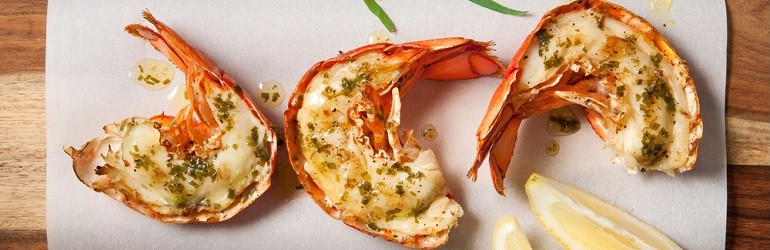
The seven health benefits of eating seafood


Seafood offers such a rich diversity of delicious protein and memorable eating experiences that it’s easy to lose sight of the fact that it’s...
Continue Reading

Aquatech and innovation – the changing landscape of fish farming


Aquaculture – already one of the world’s fastest food production sectors – is also in the midst of a technological revolution, with an...
Continue Reading

frozen scallops on ice

The many advantages of frozen fish


As a food category, fish and seafood continues to fare extremely well in what is a constantly evolving consumer landscape. Amid society’s soaring...
Continue Reading


Noorse zalmfarm

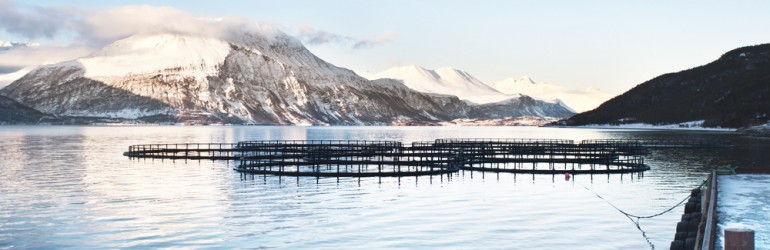
Organic aquaculture: an emerging sector

Aquaculture is the world’s fastest growing food-production industry, increasing at a rate of around 8 per cent year-on-year, which is nearly double that of most other sectors, according to the Food and Agriculture Organization of the United Nations (FAO). The FAO further forecasts that by 2030, two-thirds of the seafood we consume will be farm produced, up from its present level of just over 50 per cent. (more…)
Continue Reading

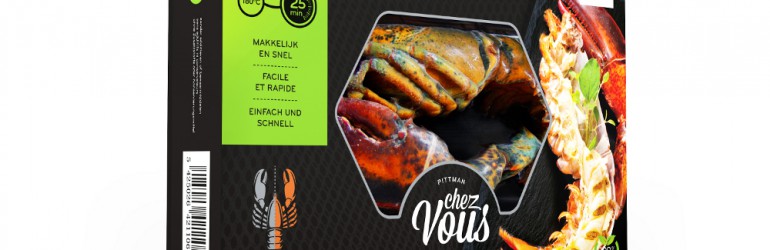
Pittman Seafoods launches Chez Vous quality label

Chez Vous_JPEG

Pittman Seafoods has teamed up with Bruges-based communications agency d-artagnan to promote their UHP lobster. The result is a brand new label, stylish new packaging and a companion website with recipes and videoclips. All in the name of proving that it’s not that hard to prepare UHP lobster after all. (more…)

Continue Reading

Opportunities within End-Use Relief

End-Use Relief T5 forms demonstrate that products eligible for reduced or zero rate of customs duty, including certain fish and seafood products (outlined in Getting to grips with End-Use Relief), have been processed and put to their prescribed end use within agreed time limits. Crucially, the documents also allow such goods to be transferred from one relief authorisation holder to another. (more…)

Continue Reading

Getting to grips with End-Use Relief

Goods imported into the European Union (EU) are regulated by a number of measures aimed at placing member state businesses on an equal footing with companies elsewhere in the world. An important tool in this regard is End-Use Relief, which allows a reduced or zero rate of Customs duty on a small list of named goods to be used for prescribed purposes under Customs control and within a specified time period. (more…)

Continue Reading

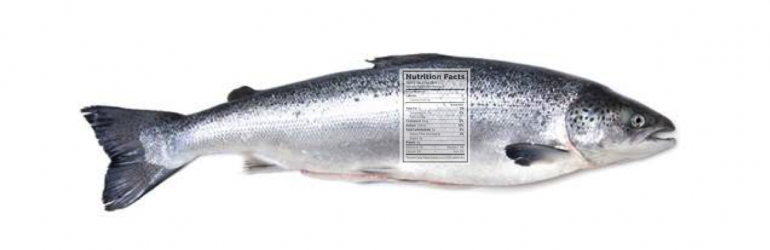
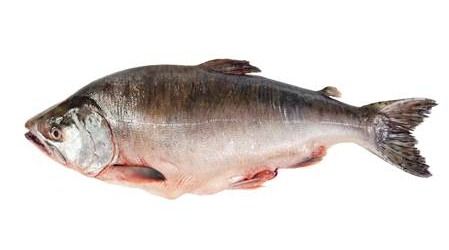
Wild and farmed salmon: What’s the difference?

Instantly recognisable by a distinct colour palette that varies from dusty pink to bright apricot orange, salmon encompasses a wide variety of species and production methods. However, the global salmon trade is mainly dominated by wild Pacific and farmed Atlantic fish, both of which are available from Pittman Seafoods. There are five different wild-caught Pacific Ocean salmon species—king, pink, chum, sockeye and coho— all of which are very closely related to one another, but have different flavour and texture profiles. (more…)

Continue Reading

FAO’s blueprint for responsible fisheries management

Global fisheries and aquaculture production totalled 158 million metric tons in 2012, about 10 million metric tons more than in 2010, according to the Food and Agriculture Organization of the United Nations’ (FAO) latest edition of ‘The State of World Fisheries and Aquaculture’. The new report further states that people have never consumed so much fish or depended so greatly on their sector as they do today. (more…)

Continue Reading

Pittman Seafoods takes on France

Pittman Seafoods has had its sights set on foreign territories for some time now. Neighbouring France is an extremely important market. Which is why Pittman Seafoods has a dedicated sales team for this region. The UHP lobster, Pittman’s flagship product, is extremely popular in France. (more…)

Continue Reading