

seafood benefits

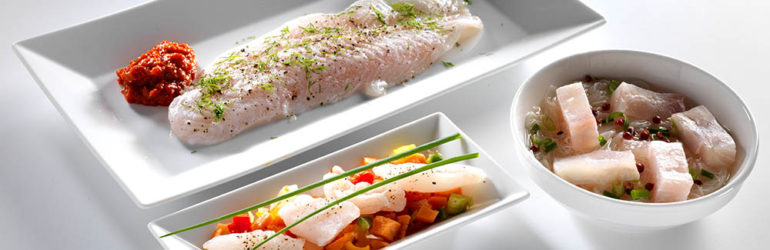
The seven health benefits of eating seafood


Seafood offers such a rich diversity of delicious protein and memorable eating experiences that it’s easy to lose sight of the fact that it’s...
Continue Reading

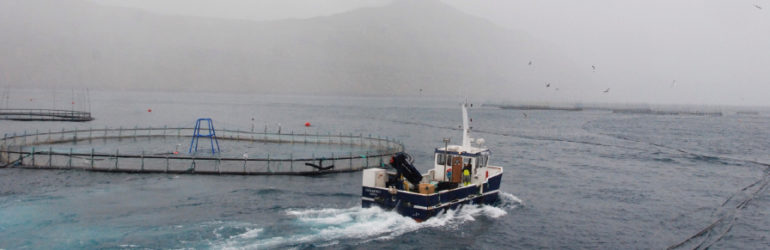
Aquatech and innovation – the changing landscape of fish farming


Aquaculture – already one of the world’s fastest food production sectors – is also in the midst of a technological revolution, with an...
Continue Reading

frozen scallops on ice

The many advantages of frozen fish


As a food category, fish and seafood continues to fare extremely well in what is a constantly evolving consumer landscape. Amid society’s soaring...
Continue Reading


What is GlobalGAP?

Reassuring consumers around the world that the food products they are buying are safe and responsibly produced – in terms of their environment impact as well as the health, safety and welfare of workers and animals – has reached levels of unprecedented importance in today’s society. Because validating such efforts on an individual, business-by-business basis is an extremely complex undertaking, third-party certification schemes are available. One of the most internationally recognised initiatives in this respect is GlobalGAP, a non-governmental organisation (NGO) that sets voluntary standards for the certification of agricultural products around the globe.  (more…)

Continue Reading

Our goal: sustainable pangasius

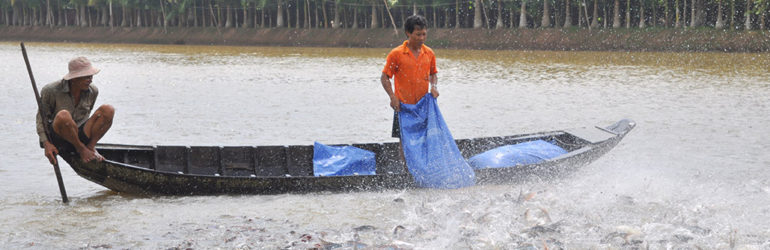
Pangasius has been in the media again recently, with reports that the fish is allegedly bred in dirty water and may therefore contain bacteria. We at Pittman Seafoods think this is an unfortunate case of misleading reporting. A great many norms and certification standards apply in fish farming, which means that the consumer can rest assured they are purchasing healthy and sustainably-sourced fish.

(more…)

Continue Reading

Understanding ethoxyquin

Antioxidants are added to both human food and animal feeds in order to protect them from the damaging effects of oxidation. They work by reacting with oxygen before it can react with the resource that they are protecting. Typically, antioxidants are used to protect fats and oils from the damaging effects of oxidation.

(more…)

Continue Reading
paling

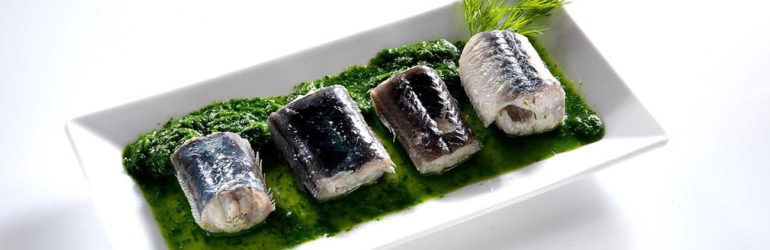
A slip inside the eel trade

Eels have traditionally been caught, bred for trade and consumed live, fresh, chilled, frozen or smoked for many centuries, and are an integral part of many countries’ culinary backgrounds – from Asia, to the Americas, to Europe and beyond.

This elongated fish’s broad consumption spread is largely due to the family comprising some 800 species, with sizes ranging from just 30 grams to more than 25kg. The most popular varieties include the European eel (Anguilla anguilla) and East Asia’s favourite Japanese eel (Anguilla japonica). Indeed, the global demand for eels has traditionally been driven by East Asia, particularly in Japan.

(more…)

Continue Reading

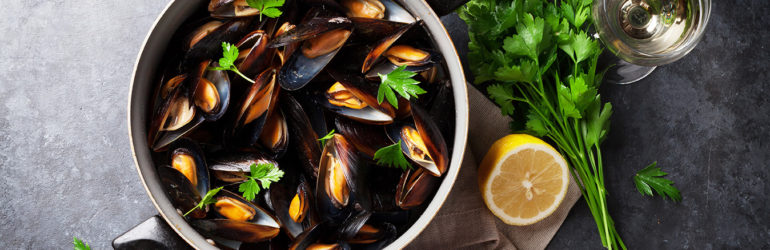
Mussels: Chile’s other aquaculture industry

While Chile’s salmonids – Atlantic and coho salmon as well as rainbow trout – lead the way when it comes to the South American country’s aquaculture production, its mussels industry has long been a very important economic contributor and a major supplier to the overall global supply of these bivalves.

Chile’s mussel culture is based on the production of three main species: the chorito or Chilean mussel (Mytilus chilensis), which is known locally as “chorito” and is the best known internationally; the cholga mussel (Aulacomya ater); and the giant o r choro mussel (Choromytilus chorus). While most Chilean mussels are exported, all the cholga and giant mussels are consumed locally.

(more…)

Continue Reading

What’s happening to the world’s coldwater prawn stocks?

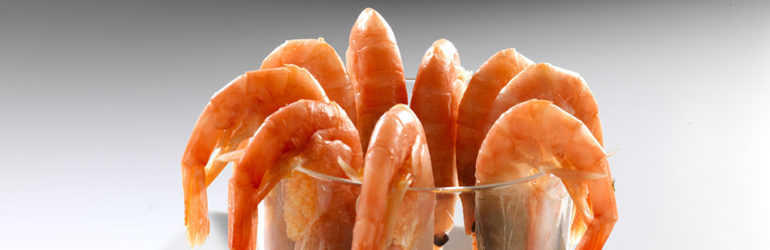
If you’ve taken delight in eating a prawn sandwich or a prawn cocktail, the chances are you have been wowed by the sweet taste and firm texture of the Northern coldwater prawn (Pandalus borealis).

Accounting for more than 70 percent of global coldwater prawn landings, the Northern coldwater prawn is by far the most widely traded species in the family. Instantly recognisable for their bright pinkish-red colour that results post-cooking, these small shrimp have long been a popular choice in shops and restaurants around the world.

As well as being an extremely versatile seafood product, coldwater prawns tick many boxes for health-minded consumers. They are a good source of protein and selenium, low in calories, and have a high vitamin and mineral content, including vitamin B12, zinc and iodine.

(more…)

Continue Reading

Surimi explained: So much more than a crabstick

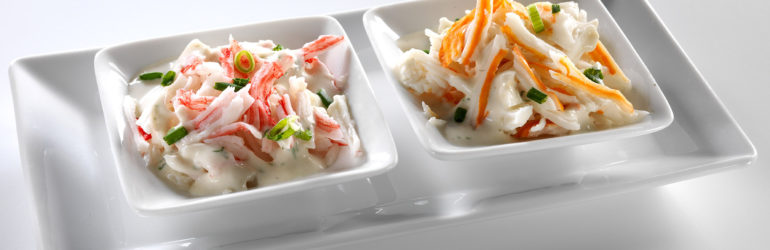
When most people think of surimi, the first thing that comes to mind is the crabstick – perhaps in a sandwich or in California sushi rolls. But there is so much more to admire about the surimi sector than this classic product format, including the progressive way it continues to pioneer with innovative product development and bold new flavours.

Thanks to technological advancements, consumer markets the world over are swimming with everything from surimi shrimp and lobster to eel and even surimi ham. And so strong has been the impact of the industry, that it also makes crucial contributions to the security of many fishing fleets and fisheries.

(more…)

Continue Reading

A good year for whitefish supplies

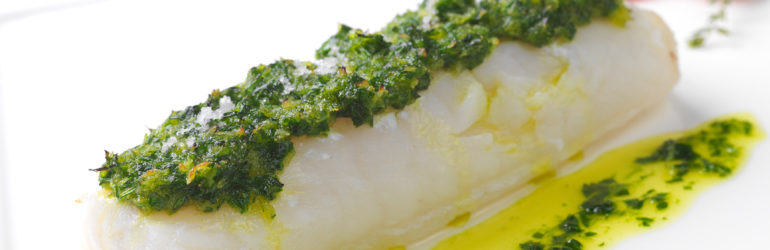
It’s been a fine start to 2016 for European whitefish supplies, with more prime-quality Atlantic cod and haddock being made available to the market than last year — particularly from its two biggest sources, the Barents Sea and Icelandic fisheries.

Europe’s increased cod supply will mainly come from Iceland as a result of the country’s 10% higher harvest control rule (HCR) of 239,000 metric tons for the 2015/2016 quota year. According to government statistics, the country landed 253,789 metric tons of cod in the last 12 months (May 2015–April 2016), an increase of 6% year-on-year.

(more…)

Continue Reading

Global demand grows for ASC certification

At this year’s Seafood Expo Global in Brussels (26–28 April), it was announced that the number of aquaculture farms certified to the Aquaculture Stewardship Council (ASC) had grown by 55% in the last 12 months to 247. At the same time, the ASC has expanded into new countries with certified farms now also found in Japan, the US and Germany.

Indeed, the number of ASC-certified farms has grown rapidly in the five years since the tilapia standard was launched in 2012. But what is the ASC, what does it do, and why is it important?

(more…)

Continue Reading

Trust the facts: New Zealand hoki is a sustainable and abundant fishery

A new report claiming that for 60 years the New Zealand catch was more than twice the volume that was officially reported is lacking in scientific credibility, according to the Seafood New Zealand trade body. Moreover, the country’s latest fisheries status study notes that as a consequence of substantial reductions in quotas over the period 2001–2007, hoki stocks have increased in size for the last eight consecutive years, and are now well within or above their management target range. They are currently at their highest levels this century.

(more…)

Continue Reading