
seafood benefits

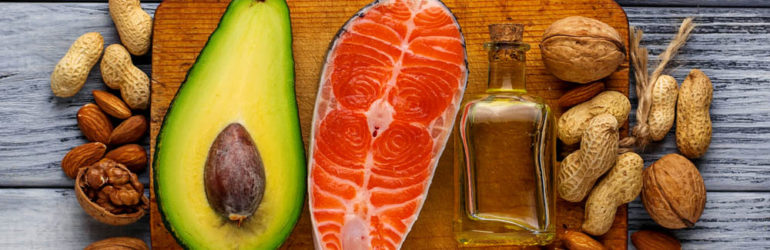
The seven health benefits of eating seafood


Seafood offers such a rich diversity of delicious protein and memorable eating experiences that it’s easy to lose sight of the fact that it’s...
Continue Reading

Aquatech and innovation – the changing landscape of fish farming


Aquaculture – already one of the world’s fastest food production sectors – is also in the midst of a technological revolution, with an...
Continue Reading

frozen scallops on ice

The many advantages of frozen fish


As a food category, fish and seafood continues to fare extremely well in what is a constantly evolving consumer landscape. Amid society’s soaring...
Continue Reading


Changes to the European Customs Code: TORO permit

As of 1 May 2016, the new European Community Customs Code came into effect for all member states, including Belgium. However, customs has allowed us to continue working with the old system provided that our End-Use Authorisation or T5 permit is still valid, specifically up to October 2018. It came to our attention that the permits of a number of clients had already expired, in many cases without the possibility of extension. We recently received more information about the new system and the required TORO permit – so it’s time for an update. (more…)

Continue Reading

Egg to plate: why and how fish are farmed

We have been farming fish and shellfish as a means of sustenance for thousands of years. Yet today’s technologically advanced aquaculture sector, which includes the culture of more than 500 different aquatic animals, is a world away from our earliest beginnings, which were predominantly based on the capture and ranching of wild species. (more…)

Continue Reading
Think fish week pittman

Time for a nice dish of sustainable fish

Think Fish Week, from 25 September to 1 October 2017, is all about making consumers aware of their power to make a difference. Consciously choosing to buy sustainable, wild-caught fish and shellfish and responsibly-farmed fish helps to protect fish stocks in vulnerable coastal areas and in the open seas.

This annual week of awareness is a shared initiative of WWF Belgium, the Marine Stewardship Council (MSC) and the Aquaculture Stewardship Council (ASC). The two latter organisations are best known for their quality labels, which recognise sustainable, wild-caught fish and responsibly-farmed fish, respectively.

(more…)

Continue Reading
king crab

Getting to grips with Russia’s king of crabs

If it is size that you’re after, then king crab – the largest edible crab in the world – is the crustacean for you. Capable of reaching weights of 10kg, this largest member of the spider crab family is becoming increasingly popular with consumers in a growing number of markets. (more…)

Continue Reading

What’s the big deal about omega-3s?

Health experts regularly remind us that a healthy and balanced diet reduces the risk of disease and is beneficial to the ageing process. We know that foods rich in omega-3 are a key contributor to a healthy diet, but what are omega-3s and how much do we need?

(more…)

Continue Reading
voedselverspilling

Tackling food waste and the key role of frozen seafood

As much as one-third of all the food produced globally is lost or wasted, according to the United Nations’ Food and Agriculture Organization (FAO). Estimated at more than US$ 940 billion annually at a time when one in nine people are malnourished, the sheer scale of this crisis is not only unquestionably unsustainable, it’s extremely hard to stomach.

(more…)

Continue Reading
lachs

Why salmon is pink

The flesh of all salmon, irrespective of their origin – farmed or wild – is a pink colour because they consume a carotenoid antioxidant that comes from their diet. 

Carotenoids are a naturally occurring group of pigments that pass on colour to the tissue of a variety of organisms. More than 600 naturally occurring carotenoids have been identified in plants and animals – everything from tomatoes to flamingos. They even produce the colours of autumn leaves.

(more…)

Continue Reading