






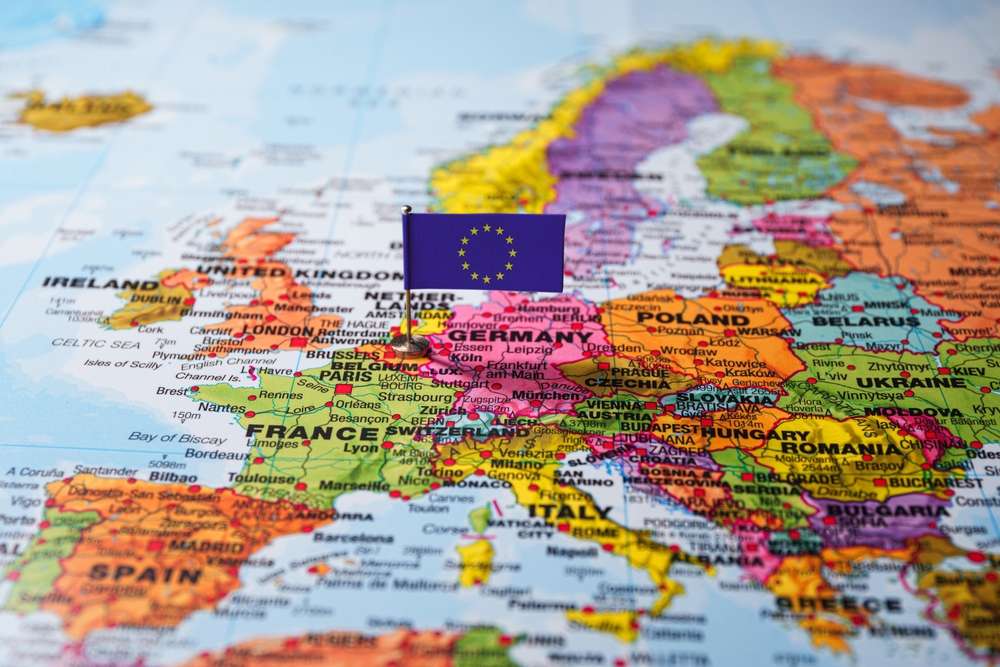
Since January 2026, every consignment of wild-caught seafood entering the European Union has to pass through CATCH – the EU’s new digital platform for catch certificates. It’s a real step forward for the industry: offering better traceability, stronger controls against seafood fraud and illegal fishing, and a single standardised way to verify where seafood actually comes from.
While it’s complex to work with, at Pittman Seafoods we have made it our job to absorb that complexity – so nothing changes for you.
The system explained
CATCH replaces the largely paper-based process importers previously used to submit and validate catch certificates: where fish were caught, by whom, and whether they were landed legally. Everything now goes into one central EU database, so authorities across member states verify exactly the same information.
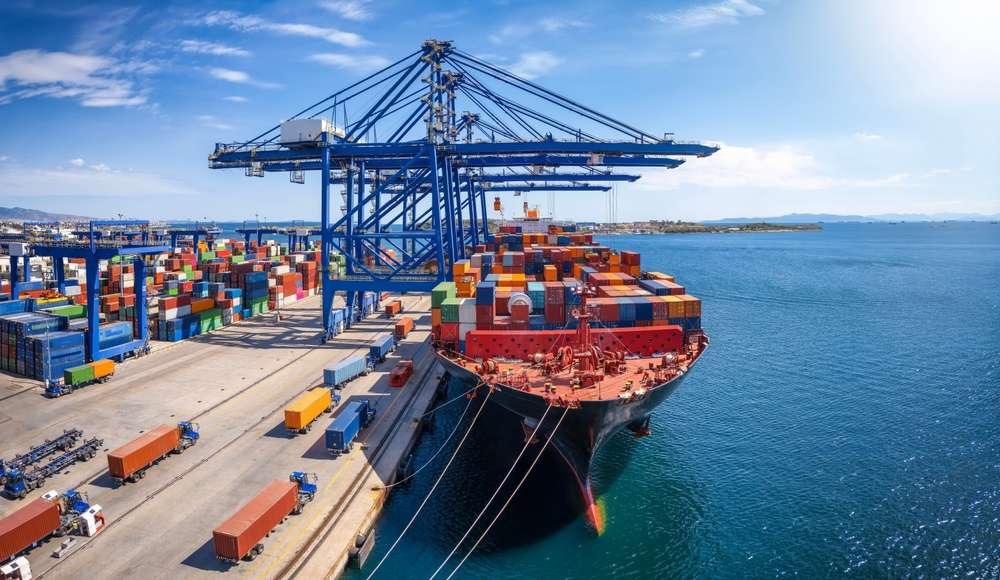
Pittman Seafoods imports frozen seafood from a number of countries outside the EU – including Canada, Vietnam, Chile and Norway – handling around 250 containers (close to 6,000 tonnes) each year, and the CATCH system now applies to the vast majority of this.
As Kathleen Van der Perren, Supply Chain Planner at Pittman, explains, CATCH aims to improve transparency and close off opportunities for fraud and illegal, unreported and unregulated (IUU) fishing. In the EU’s own words, CATCH is designed to “offer a fully digitised and paperless workflow” that “simplifies and speeds up the administrative procedures.”
Compared with the old paper trail, she adds, which was “more prone to errors and fraud,” the digital system lets authorities “cross-check data more efficiently [and] consistently,” with standardised data improving traceability.
Where the complexity lies
CATCH demands considerable detail – right down to the individual vessel that landed the fish. Much of this information still has to be entered manually, which leaves room for human error, and even a small discrepancy can hold up a shipment. And, because non-EU exporters aren’t obliged to use the system, EU importers often have to enter much of that data themselves.
“You need more time to get your containers customs-proofed,” says Van der Perren, “because the document must first be validated in the CATCH system, and only then can you go with your container to customs – not before.”
Pittman’s proactive approach
This is where our proactive approach makes the difference. We don’t wait for containers to arrive and then react – we work ahead.
For every container, we request the full set of documents at least seven days before the estimated time of arrival and we check them thoroughly. Our agent processes them at a quieter moment at the end of the day so the follow-up is precise without disrupting daily operations.
A recent example demonstrated why this is so crucial. During one of our advanced checks, we noticed that certain CATCH details didn’t fully match the requirements. Because we’d spotted it early, we were able to arrange the corrections with the supplier before the container even reached port – thereby avoiding any delays on arrival.
We apply that same proactive routine to every import stream. It’s what allows even containers with a short transit time – like our lobster shipments, just 14 to 18 days underway, with almost no margin to fix things on arrival – to keep flowing without a hitch.
The bottom line for you
CATCH is a demanding system, and the industry is still adjusting to it, but we believe it will ultimately deliver what regulators are after: real transparency and traceability; a serious blow to IUU fishing; better information for consumers; and the end of seafood fraud.
In the meantime, the complexity stays on our side of the table. Through careful document checks, close cooperation with customs brokers and suppliers, and a consistently proactive approach, we make sure your order arrives on time, in full, and without any troublesome paperwork.
Comments