


seafood benefits

The seven health benefits of eating seafood


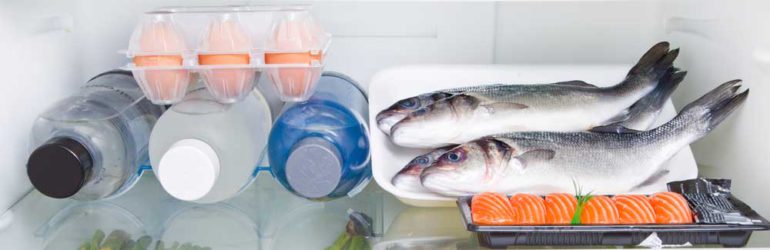
Seafood offers such a rich diversity of delicious protein and memorable eating experiences that it’s easy to lose sight of the fact that it’s...
Continue Reading

Aquatech and innovation – the changing landscape of fish farming


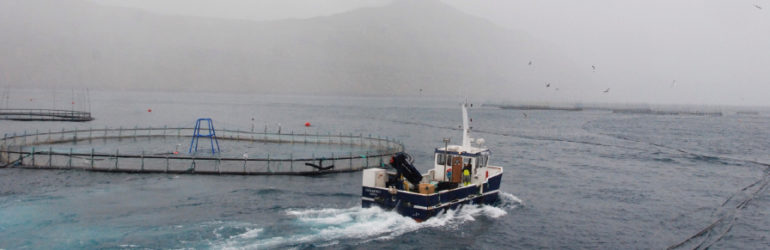
Aquaculture – already one of the world’s fastest food production sectors – is also in the midst of a technological revolution, with an...
Continue Reading

frozen scallops on ice

The many advantages of frozen fish


As a food category, fish and seafood continues to fare extremely well in what is a constantly evolving consumer landscape. Amid society’s soaring...
Continue Reading


king crab

Getting to grips with Russia’s king of crabs

If it is size that you’re after, then king crab – the largest edible crab in the world – is the crustacean for you. Capable of reaching weights of 10kg, this largest member of the spider crab family is becoming increasingly popular with consumers in a growing number of markets. (more…)


Continue Reading

What’s the big deal about omega-3s?

Health experts regularly remind us that a healthy and balanced diet reduces the risk of disease and is beneficial to the ageing process. We know that foods rich in omega-3 are a key contributor to a healthy diet, but what are omega-3s and how much do we need?

(more…)

Continue Reading
voedselverspilling

Tackling food waste and the key role of frozen seafood

As much as one-third of all the food produced globally is lost or wasted, according to the United Nations’ Food and Agriculture Organization (FAO). Estimated at more than US$ 940 billion annually at a time when one in nine people are malnourished, the sheer scale of this crisis is not only unquestionably unsustainable, it’s extremely hard to stomach.

(more…)

Continue Reading
lachs

Why salmon is pink

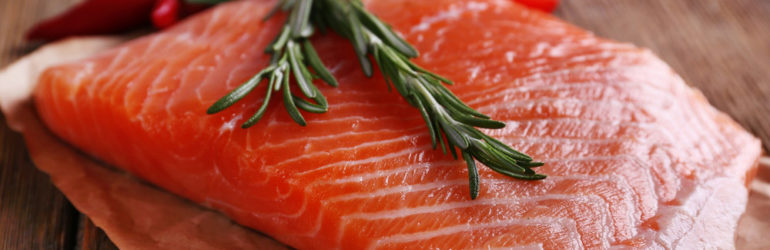
The flesh of all salmon, irrespective of their origin – farmed or wild – is a pink colour because they consume a carotenoid antioxidant that comes from their diet. 

Carotenoids are a naturally occurring group of pigments that pass on colour to the tissue of a variety of organisms. More than 600 naturally occurring carotenoids have been identified in plants and animals – everything from tomatoes to flamingos. They even produce the colours of autumn leaves.

(more…)

Continue Reading

What is GlobalGAP?

Reassuring consumers around the world that the food products they are buying are safe and responsibly produced – in terms of their environment impact as well as the health, safety and welfare of workers and animals – has reached levels of unprecedented importance in today’s society. Because validating such efforts on an individual, business-by-business basis is an extremely complex undertaking, third-party certification schemes are available. One of the most internationally recognised initiatives in this respect is GlobalGAP, a non-governmental organisation (NGO) that sets voluntary standards for the certification of agricultural products around the globe.  (more…)

Continue Reading

Our goal: sustainable pangasius

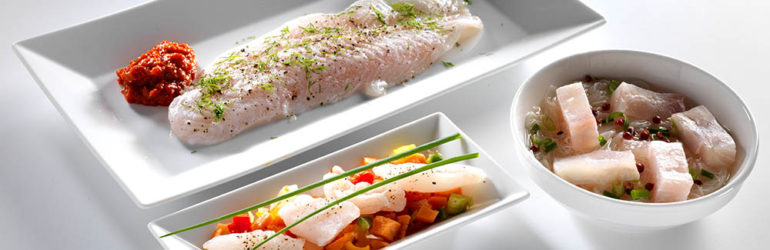
Pangasius has been in the media again recently, with reports that the fish is allegedly bred in dirty water and may therefore contain bacteria. We at Pittman Seafoods think this is an unfortunate case of misleading reporting. A great many norms and certification standards apply in fish farming, which means that the consumer can rest assured they are purchasing healthy and sustainably-sourced fish.

(more…)

Continue Reading

Understanding ethoxyquin

Antioxidants are added to both human food and animal feeds in order to protect them from the damaging effects of oxidation. They work by reacting with oxygen before it can react with the resource that they are protecting. Typically, antioxidants are used to protect fats and oils from the damaging effects of oxidation.

(more…)

Continue Reading
paling

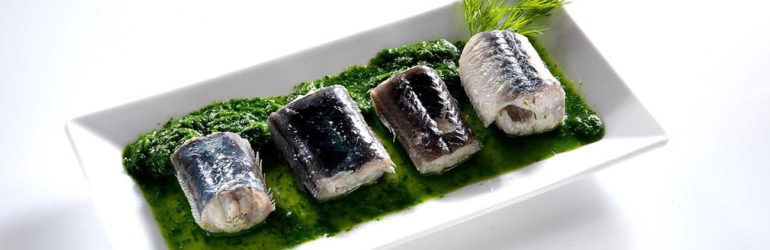
A slip inside the eel trade

Eels have traditionally been caught, bred for trade and consumed live, fresh, chilled, frozen or smoked for many centuries, and are an integral part of many countries’ culinary backgrounds – from Asia, to the Americas, to Europe and beyond.

This elongated fish’s broad consumption spread is largely due to the family comprising some 800 species, with sizes ranging from just 30 grams to more than 25kg. The most popular varieties include the European eel (Anguilla anguilla) and East Asia’s favourite Japanese eel (Anguilla japonica). Indeed, the global demand for eels has traditionally been driven by East Asia, particularly in Japan.

(more…)

Continue Reading

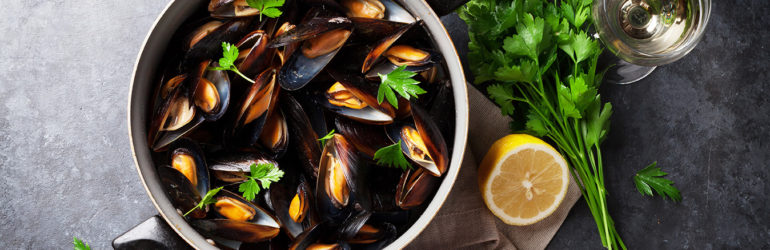
Mussels: Chile’s other aquaculture industry

While Chile’s salmonids – Atlantic and coho salmon as well as rainbow trout – lead the way when it comes to the South American country’s aquaculture production, its mussels industry has long been a very important economic contributor and a major supplier to the overall global supply of these bivalves.

Chile’s mussel culture is based on the production of three main species: the chorito or Chilean mussel (Mytilus chilensis), which is known locally as “chorito” and is the best known internationally; the cholga mussel (Aulacomya ater); and the giant o r choro mussel (Choromytilus chorus). While most Chilean mussels are exported, all the cholga and giant mussels are consumed locally.

(more…)

Continue Reading